
Is UX Still Human-Centered?
Is the world of design serving people, or is it now focused on the goals of products?
 AI-generated image
Have you ever considered, while using a product, whether its design is truly intended to enhance your experience, or if it's intended to keep you engaged with the product for longer?
In the past, the answer to UX was clear: it was human-centered. But can we say the same today?
The world of design and technology has undergone rapid change. The evolution of UX hasn't been limited to simply making products more useful; it's increasingly becoming a critical part of company strategies. But how well has this evolution preserved its human-centered nature?
Let's take a look at the historical process and some of its milestones:
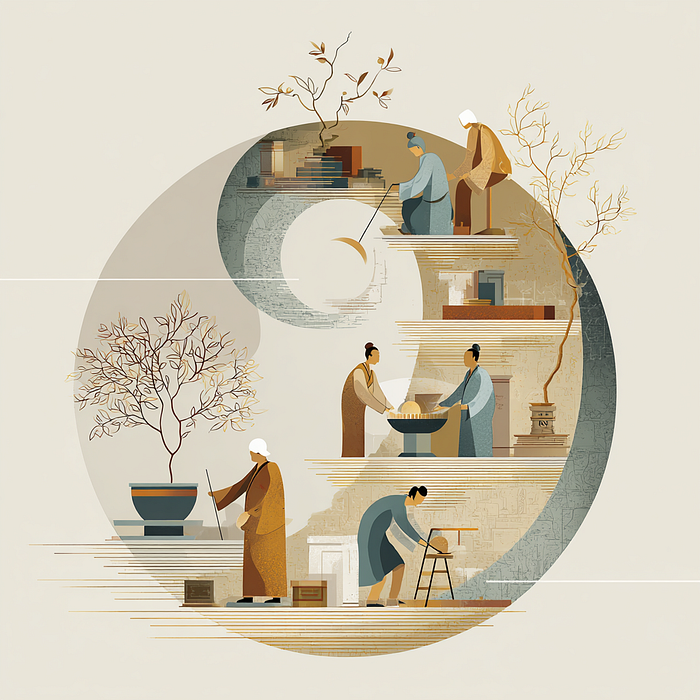
Ancient Periods: Feng Shui and Ergonomics
- 4000 BC — Feng Shui in China: In ancient China, the layout and organization of living spaces were optimized to improve people's quality of life. This reflected an approach similar to the fundamental principles of modern UX design.
- 500 BC — Ergonomics in Ancient Greece: In ancient Greece, human anatomy and functionality were considered in the design of tools and equipment. This was the first step in ergonomics.
 AI-generated image
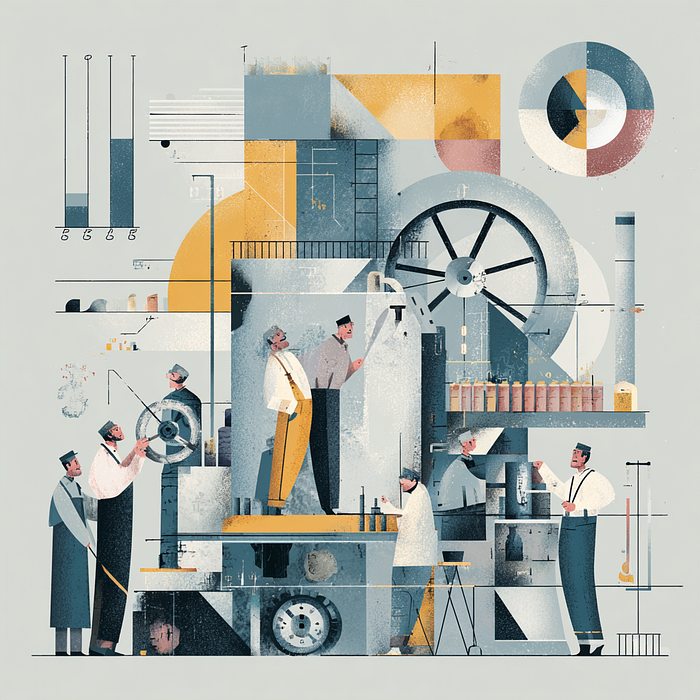
Industrial Revolution and Scientific Management
- Early 1900s — Frederick Winslow Taylor: During the Industrial Revolution, scientific management principles were developed to increase the efficiency of work processes. This paved the way for the first steps toward optimizing human interaction in the workplace.
- 1940s — Toyota Production System: Toyota developed systems to increase efficiency by prioritizing the human factor in its production processes. This is an example of the integration of human-centered design into industry.
 AI-generated image
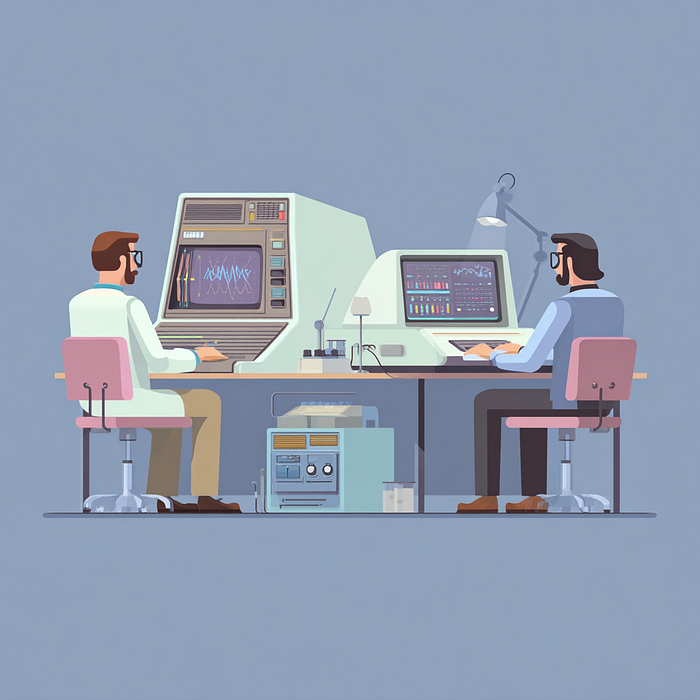
Cognitive Science and Human-Centered Design
- 1950s — Henry Dreyfuss: In his work "Designing for People," Henry Dreyfuss emphasized that design should be tailored to human needs. This established the fundamental principles of human-centered design.
- 1970s — Xerox PARC: Xerox PARC made computer interaction more user-friendly with innovations like the graphical user interface (GUI) and the mouse. This laid the foundations for modern UX design.
 AI-generated image
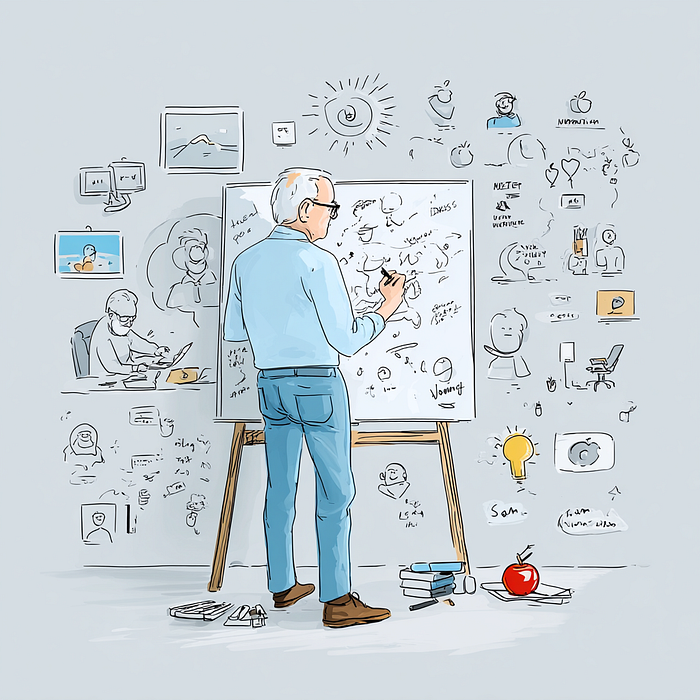
Don Norman and the Emergence of the Term UX
- 1990s — Don Norman: While working at Apple, Don Norman coined the term "user experience" (UX). This emphasized that design encompasses not only interfaces but all aspects of user interaction.
 AI-generated image
Digitalization and Data-Driven UX
- 2000s — Web 2.0 and Mobile Applications: With the proliferation of the internet, user experience design became more data-driven. User behavior was analyzed, and experiences began to be personalized.
Today: UX and Sales Strategies
- 2010s and Beyond — Experience Design: Today, UX design has become a field that not only increases user satisfaction but also shapes brands' strategic goals.
However, there's a common misconception: UX designers don't design interfaces — they design experiences. The buttons, colors, or transitions we see on the screen are merely the surface of that experience. The true power of UX comes from understanding the user's entire journey, their emotions, and their context.
I believe the current evolution of UX is a two-way journey. On the one hand, it's gaining a more rational structure supported by data, measurement, and A/B testing; on the other, it's creating a renewed focus on the complexity of human behavior.
The concept of "human-centered design" no longer just embraces empathy; it also encompasses understanding human limitations, habits, and even resistance.
Today, UX answers the question of "how do we make products sell more?" while still asking "how do we make them more meaningful to people?"
And perhaps what distinguishes good UX designers from others is precisely the ability to balance these two.
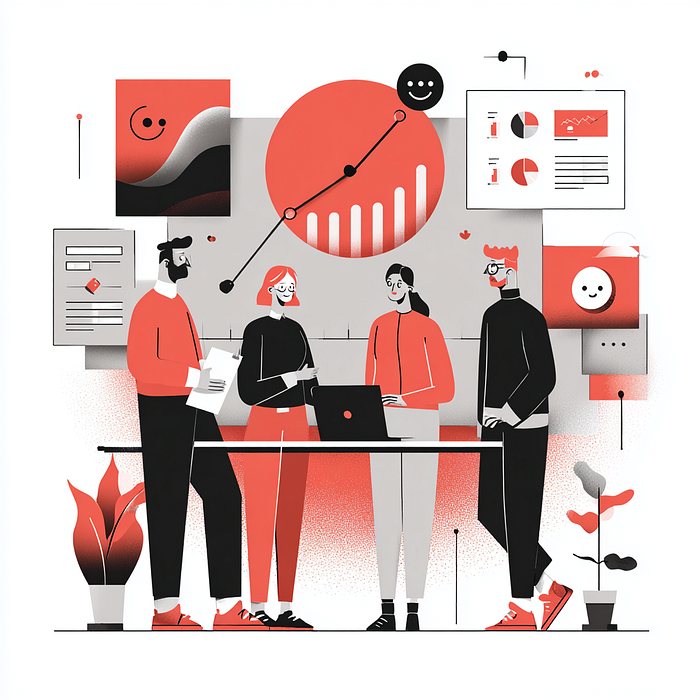 AI-generated image
How Do We "Really" Use UX?
At this point, we need to ask ourselves:
"Are we using UX to give people a good experience, or to sell more of our product?"
The power of UX comes from understanding the user. If design is used solely to guide behavior, we are moving away from being human-centric.
Perhaps it's time to refocus.
Because true UX begins with creating experiences that put people at the center.